
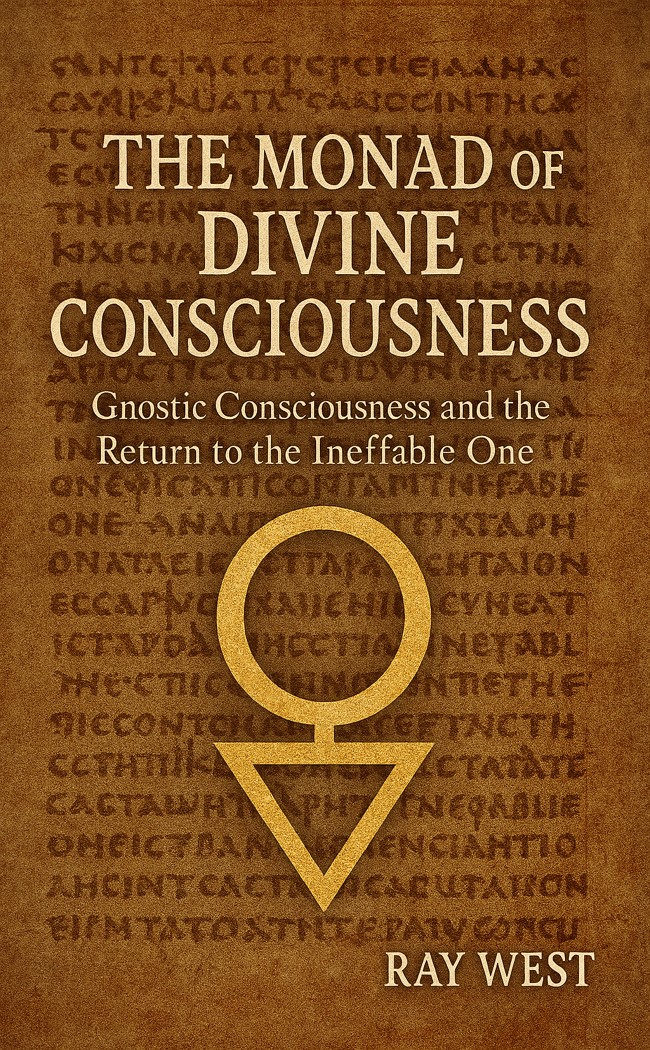
The Monad of Divine Consciousness
Gnostic Consciousness and the Return to the Ineffable one
$5.99
The concept of the Monad has echoed through the corridors of philosophical thought and spiritual inquiry for centuries. Rooted in ancient philosophies, the Monad symbolizes the fundamental
principle of unity and the nature of existence. This chapter delves into the origins of the Monad, exploring its significance across various philosophical traditions such as Neoplatonism, Gnosticism,
and even modern metaphysical systems. The exploration reveals how this singular concept serves as a cornerstone for understanding the intricacies of reality, consciousness, and the interconnectedness
of all beings. The Monad represents the idea of an ultimate singularity, a source from which all existence arises. Its implications stretch far beyond theoretical philosophy, influencing metaphysical principles,
cosmology, and even ethics. By examining Monad’s role in different traditions, one can appreciate its profound impact on various disciplines, including science, art, and spirituality. This chapter aims to clarify its meaning and importance, leading to a deeper understanding of how such a foundational idea shapes human thought and experience. The term "Monad" derives from the Greek word "monas," meaning
unity or oneness. It has been utilized in various philosophical and religious contexts, most notably in Neoplatonism, where it signifies the ultimate source of all things, referred to as "The One." Neoplatonism, a philosophical system that emerged in the 3rd century CE, was heavily influenced by the teachings of Plato, who emphasized the existence of ideal forms and the pursuit of higher truths.